In the hustle and bustle of modern life, finding balance can often feel like an elusive goal. With the constant influx of demands from work, social obligations, and personal responsibilities, achieving a harmonious state of well-being may seem out of reach. However, amidst this whirlwind, yoga emerges as a calming sanctuary, offering a path to balance the mind, body, and spirit.
Yoga, an ancient practice with roots in India, has for centuries guided practitioners toward physical and metaphysical equilibrium. At its core, yoga emphasizes the connection between breath, movement, and mindfulness. Each aspect of the practice aids in finding personal balance, allowing one to navigate life's challenges with a sense of ease and clarity.
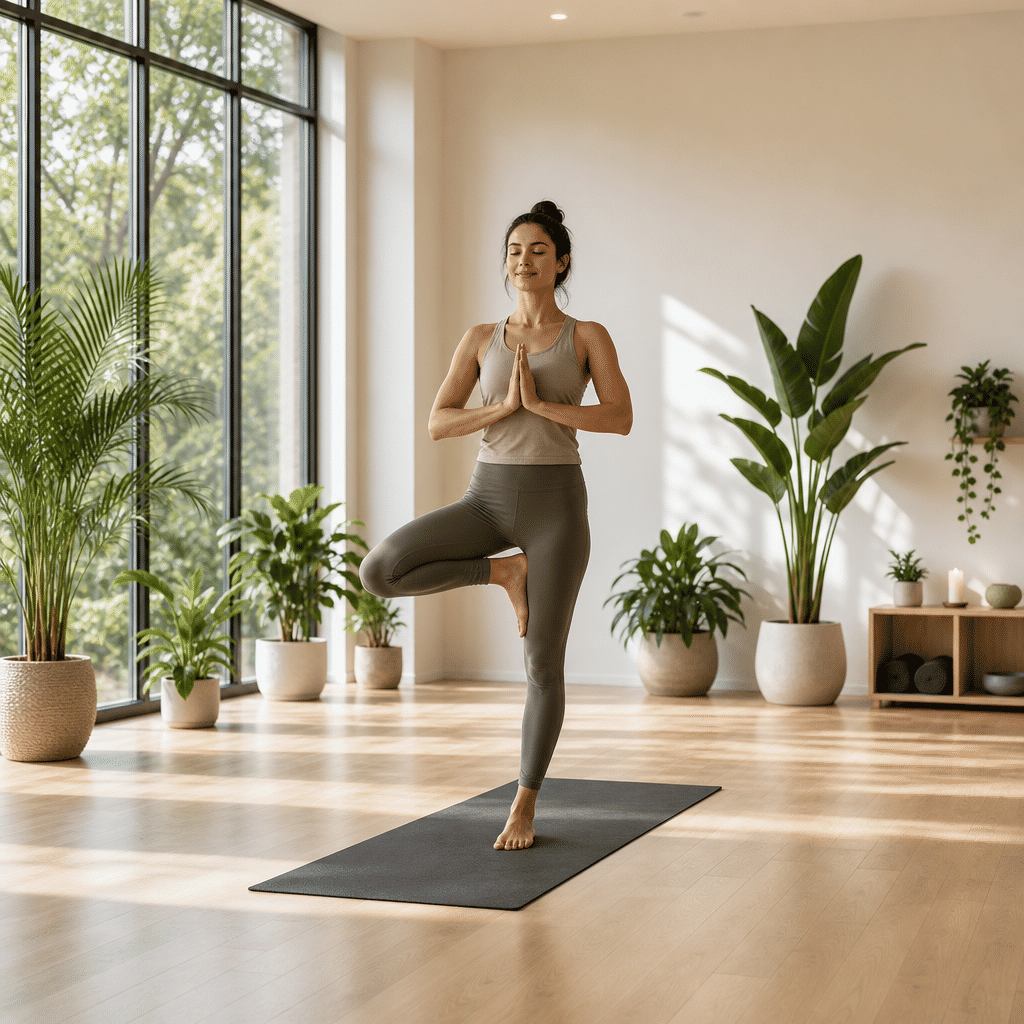
The physical practice, or asana, is often the most visible aspect of yoga. Beyond improving strength, flexibility, and posture, these poses are designed to bring balance to the body. When practicing asanas, one learns to focus on stability and alignment, cultivating both physical and mental resilience. Poses that require balance, such as Tree Pose or Warrior III, teach practitioners how to find a stable center amidst wavering external conditions. This experience on the mat translates to life off the mat, promoting grace and poise in daily endeavors.
Equally important to the physical benefits are the mental and emotional rewards yoga provides. In a world filled with distractions and stressors, maintaining a calm mind can be particularly challenging. Yoga encourages presence and mindfulness, asking practitioners to focus solely on the breath and the current moment. This repeated practice of mindfulness becomes a powerful tool to combat the mental clutter that often disrupts our inner peace.
Furthermore, yoga’s emphasis on pranayama, or breath control, serves as a bridge between the physical and the spiritual. Conscious breathing techniques calm the nervous system, reduce stress, and foster a deeper connection between the mind and body. By regulating the breath, individuals learn how to manage their emotional responses, finding balance and composure in moments of stress and tension.
Spiritually, yoga offers a journey of self-discovery and inner harmony. Through practices such as meditation and self-reflection, individuals are encouraged to explore their innermost thoughts and emotions, fostering self-awareness and acceptance. This inward journey often leads to a more profound connection with oneself, others, and the universe, enriching the sense of balance and fulfillment in life.
The beauty of yoga lies in its accessibility; it does not require one to be an expert or to adhere to a specific belief system. Yoga meets practitioners where they are, allowing them to grow at their own pace and according to their personal needs. Whether it is a rigorous Vinyasa flow or a gentle Yin practice, yoga caters to all ages, abilities, and goals.
Incorporating yoga into daily life requires intention and commitment, yet the rewards are numerous. Even a few minutes of practice each day can gradually transform one's life, igniting a ripple effect that touches every aspect of one's being. As you step onto the mat, you step into a space of transformation—a place where the chaos of the outside world fades away, and balance within begins to flourish.
In conclusion, yoga is more than just a physical practice—it is a holistic approach to achieving equilibrium in life. By harmonizing the mind, body, and spirit, yoga provides a sanctuary of balance amidst the challenges of the modern world. As practitioners grow in their practice, they discover that the true essence of yoga is the journey toward inner peace and harmony, a quest that extends far beyond the mat.